

WEINGUT BURG RAVENSBURG
One of the ten oldest wineries in the world.
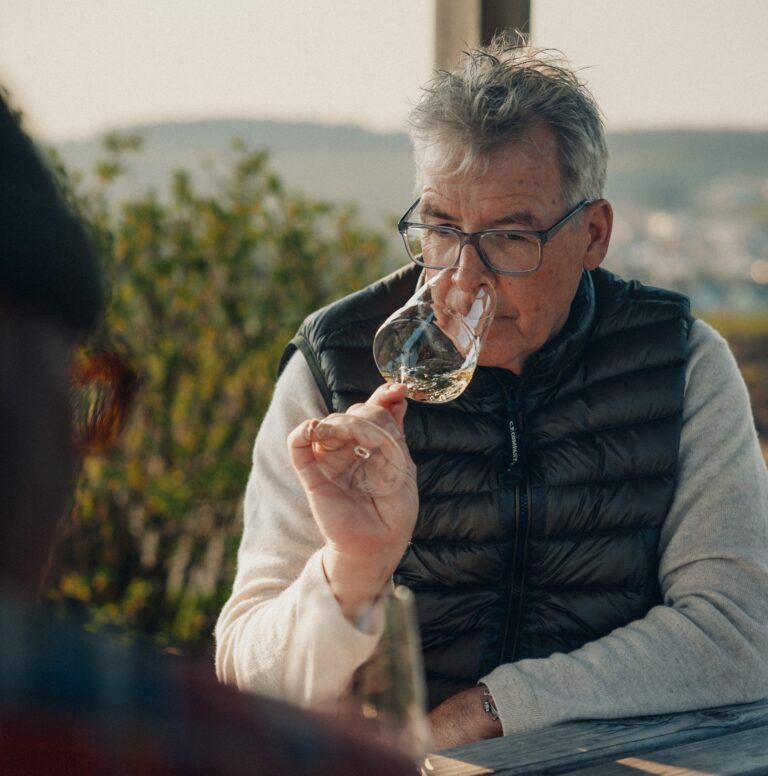
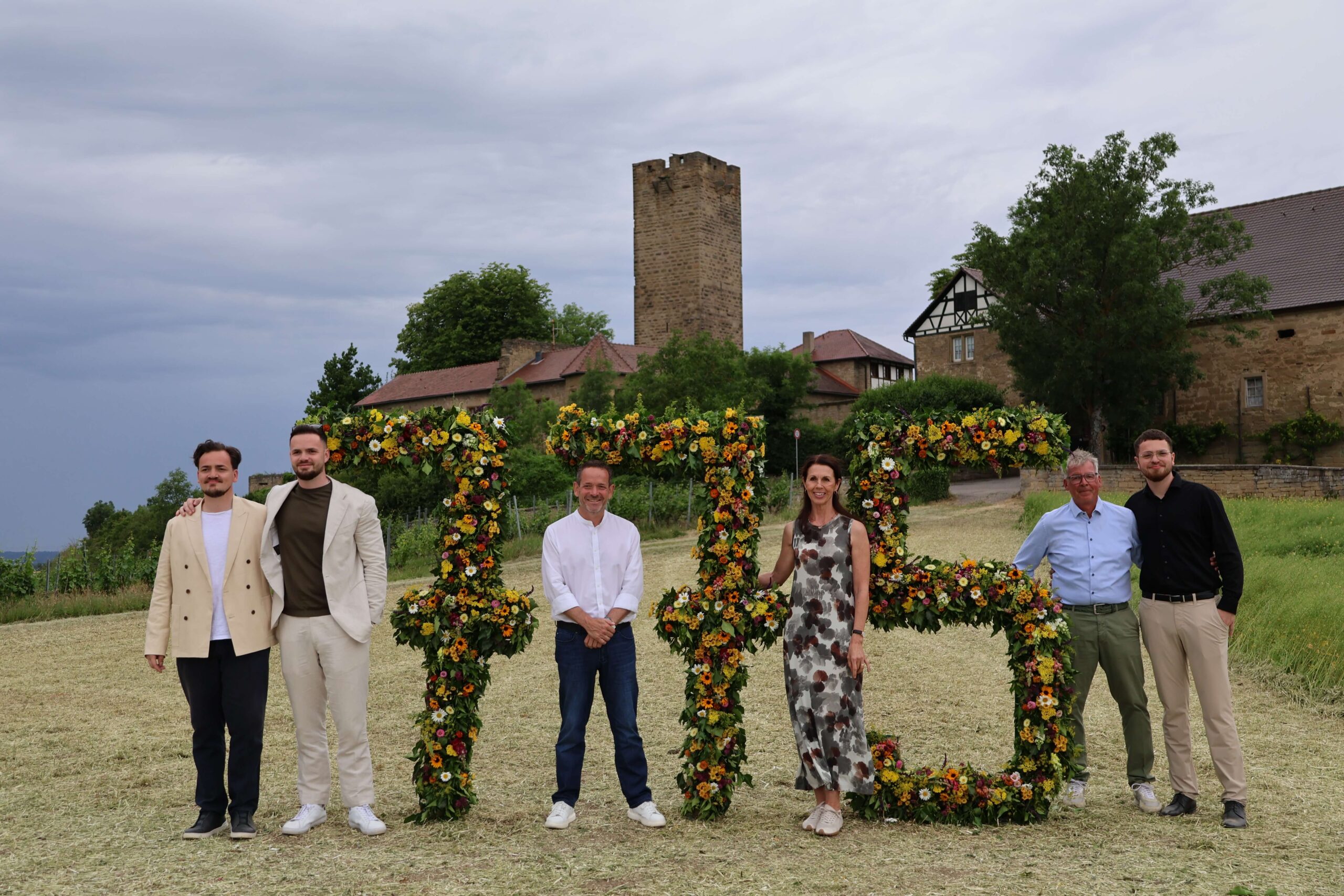
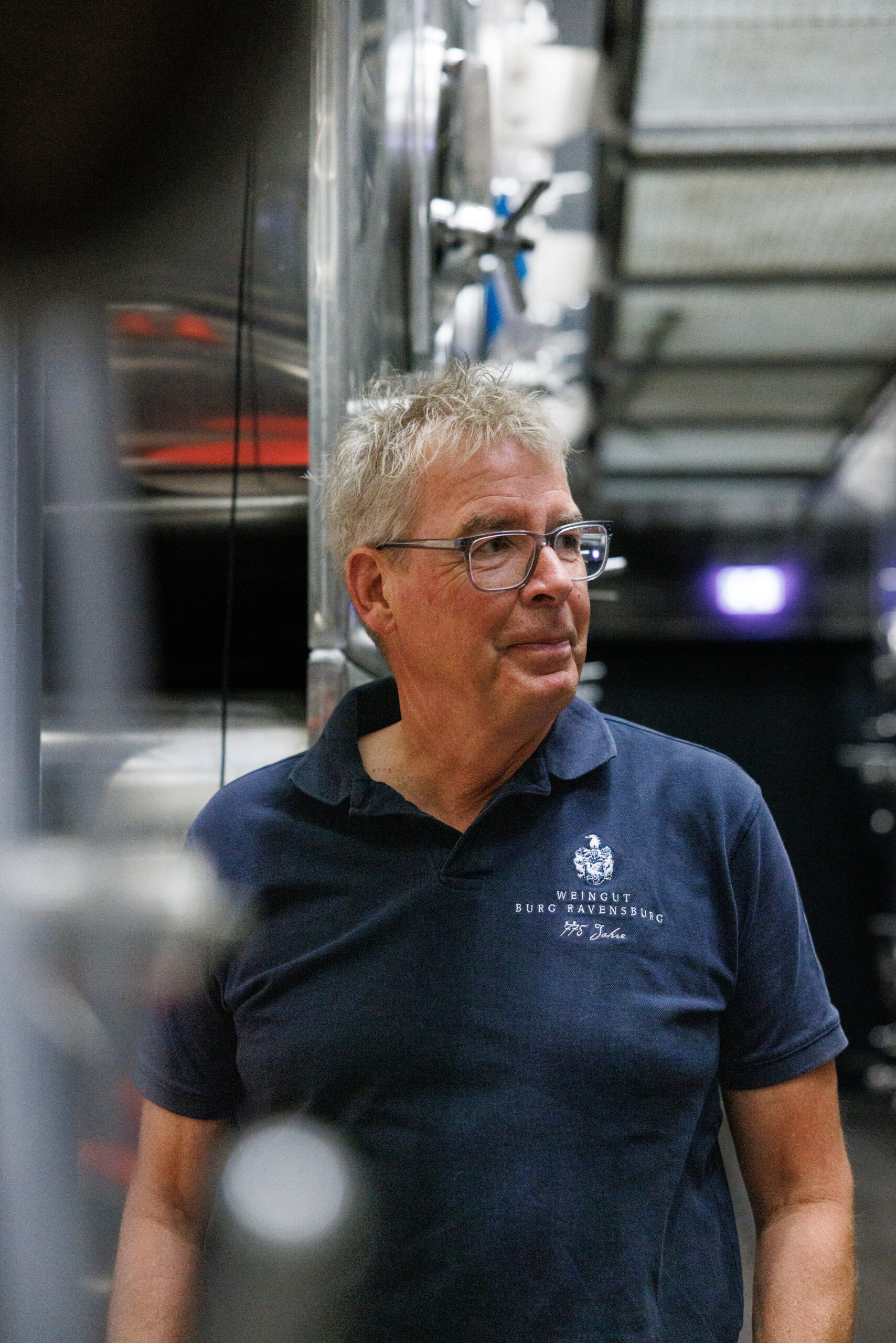
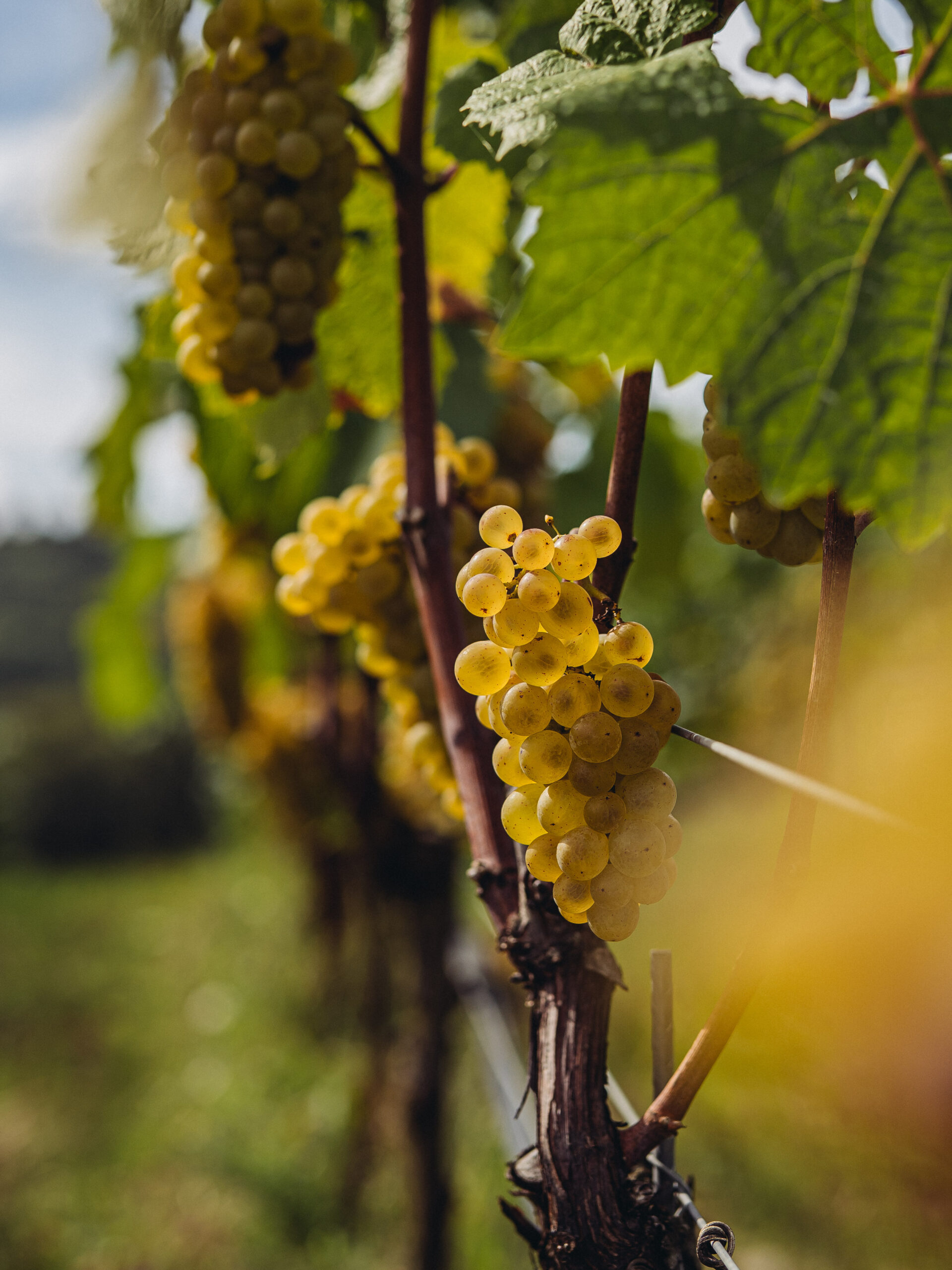
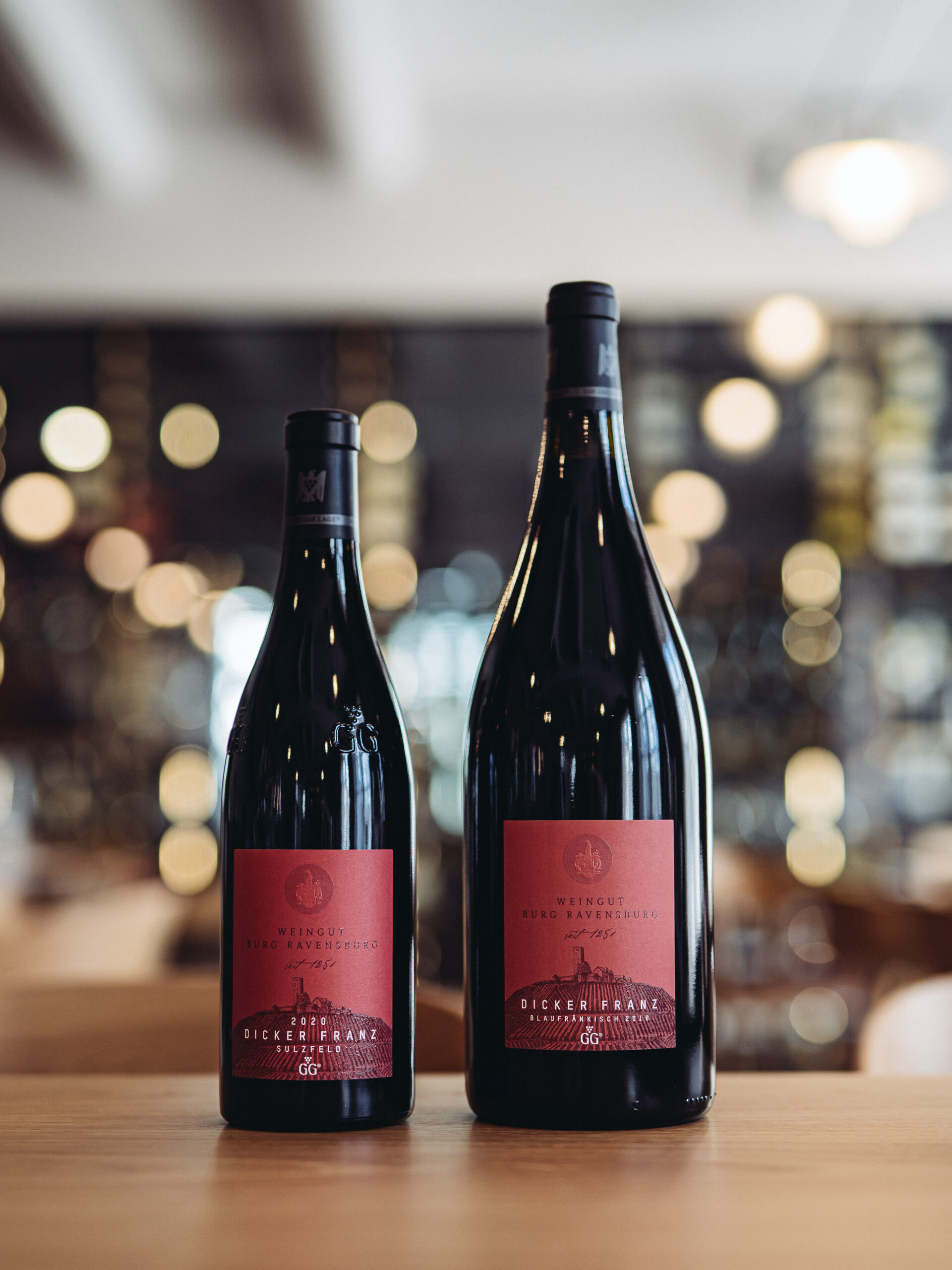
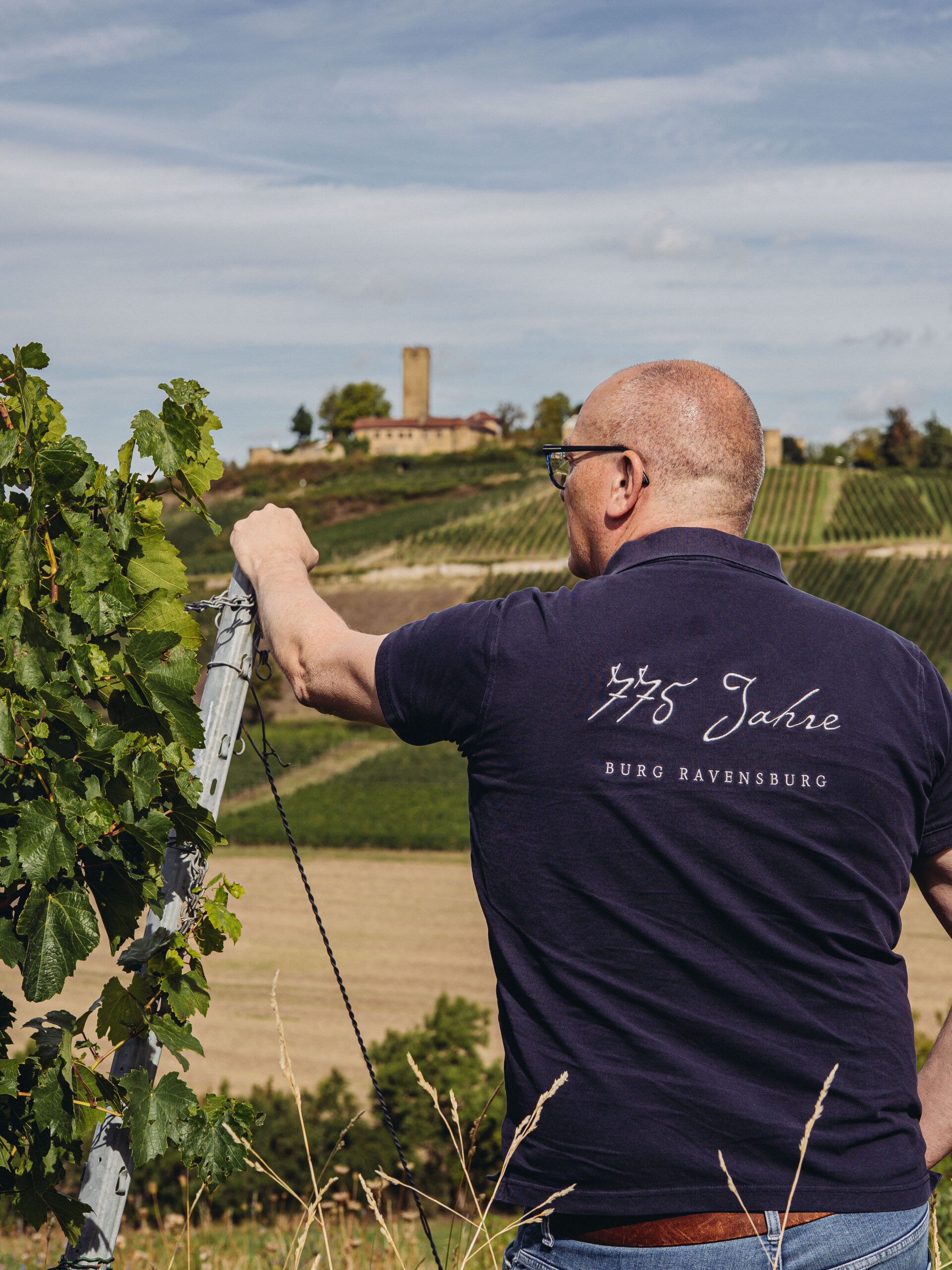
With over 775 years of history, the Weingut Burg Ravensburg is one of the ten oldest wineries in the world. Riesling, Blaufränkisch and Pinot Noir are grown here on 230-million-year-old gipsum limestone soils. “Wine should convey the magic of a place to the palate” is perhaps the best way to describe the style of wine Claus Burmeister strives for. Quality always begins in the vineyard and, at best, can be preserved in the cellar. For his outstanding work, he was named Winery Manager of the Year 2026 by Henris Wine Guide.
Philosophy
“Wine has been produced here for centuries. That is the experience we draw on, and the tradition we are committed to.”
– Claus Burmeister, winegrower
Life
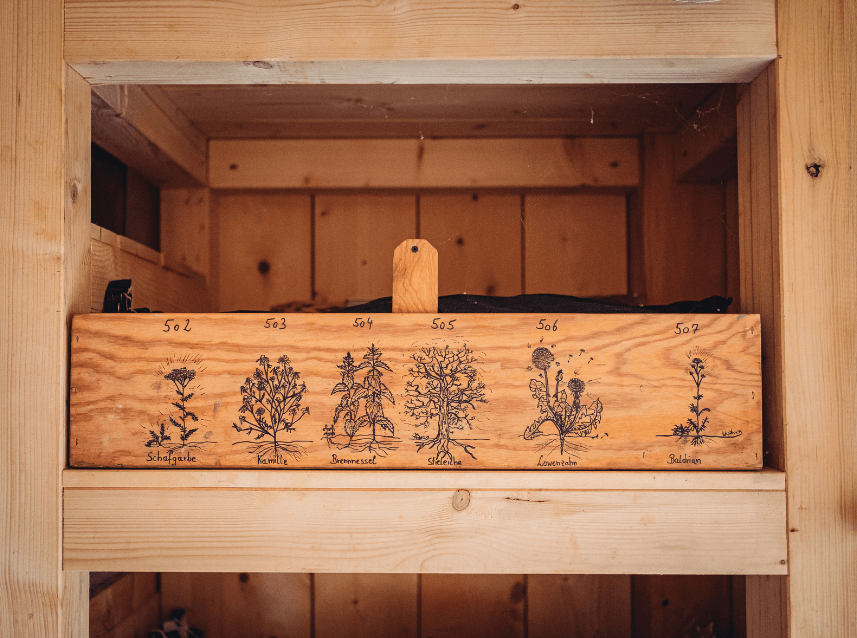
Every vine is part of a living ecosystem. From the soil life, through the herbs, hedges and dry stone walls, right through to the sheep that graze on our vineyards, everything is interconnected. A living vineyard is more vibrant and resilient, and only such a vineyard can produce vibrant wines.
Handicrafts
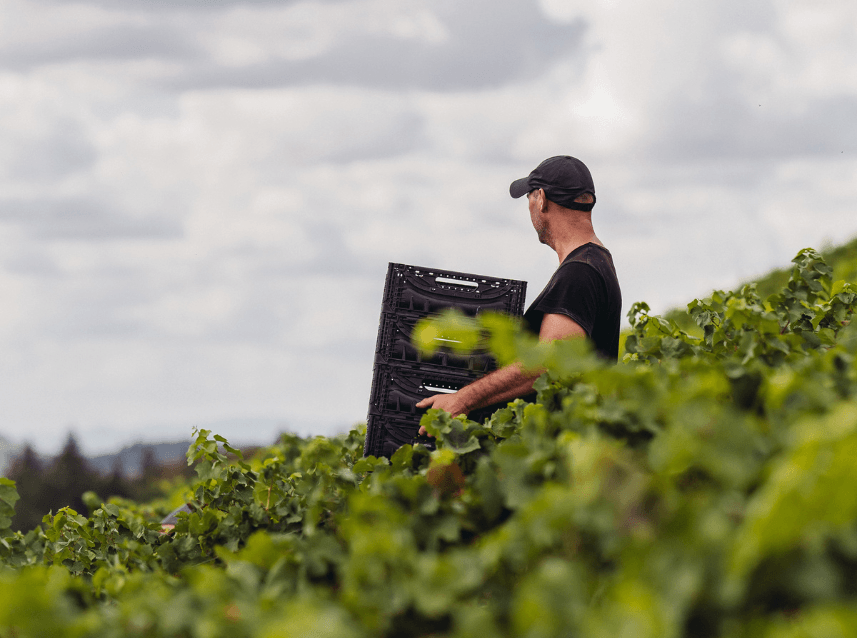
Every bunch of grapes is harvested by hand, from VDP.GUTSWEIN to VDP.GROSSEN GEWÄCHS. It is an extra effort that is reflected in the quality of our grapes. In other respects too, whether in the vineyard or in the cellar, manual labour is our first choice.
Humans
Without people, there would be no wine. It takes craftsmanship, patience and experience to nurture it. The Burmeister family has shaped our winery since 1954; today, Claus Burmeister represents the second generation. Together with our team, he knows every vineyard plot and knows when to take action and when not to.
Responsibility
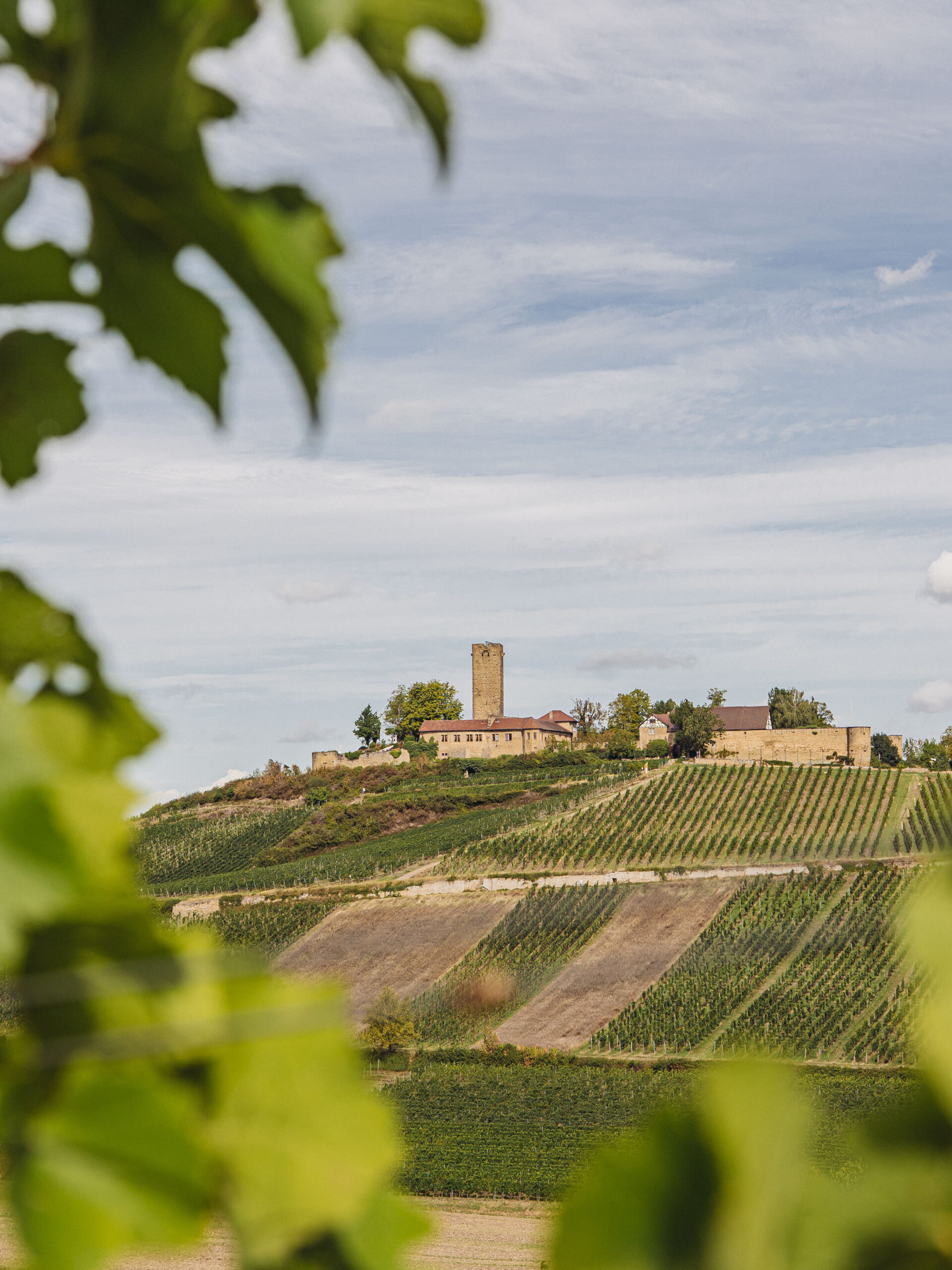
There is documentary evidence of winegrowing at Burg Ravensburg dating back to 1251. As a family business, this heritage compels us to act with foresight. A vineyard we plant today is an early legacy for the next generation. This responsibility guides every decision we make.
Pioneers
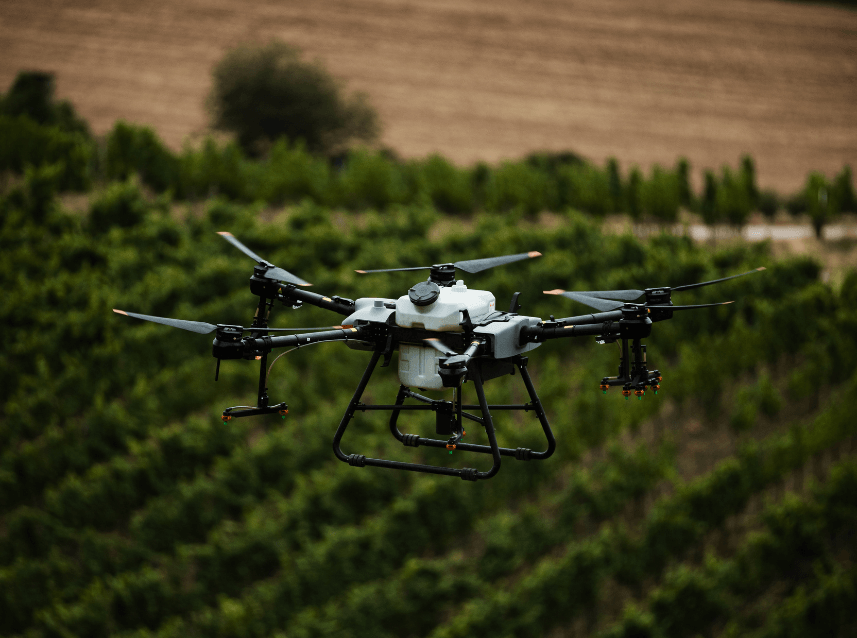
Being a pioneer has tradition at Burg Ravensburg. In 1782, Benjamin Göler von Ravensburg introduced Riesling to the Kraichgau region, and in 1861 the oldest known Blaufränkisch label was created here. Today, we are continuing along this path, with biodynamic viticulture and drones on the steep slopes. Our winery has been evolving for 775 years, and that is precisely where its enduring character lies.
Biodynamics
We have been practising biodynamic viticulture since 2014, and from the 2023 vintage onwards, all our wines will bear the Demeter seal. For us, this is not a radical change, but the natural continuation of our responsibility. Healthy soils and resilient vines are the foundation that will ensure future generations can continue to harvest great wines here.
Trust
We have faith in the quality produced in our vineyards and in our expertise. That is why our wines ferment spontaneously and at their own pace. We handle the grapes and must without using pumps, letting gravity do the work as gently as possible. And we trust in the time that every great wine needs.
Patience
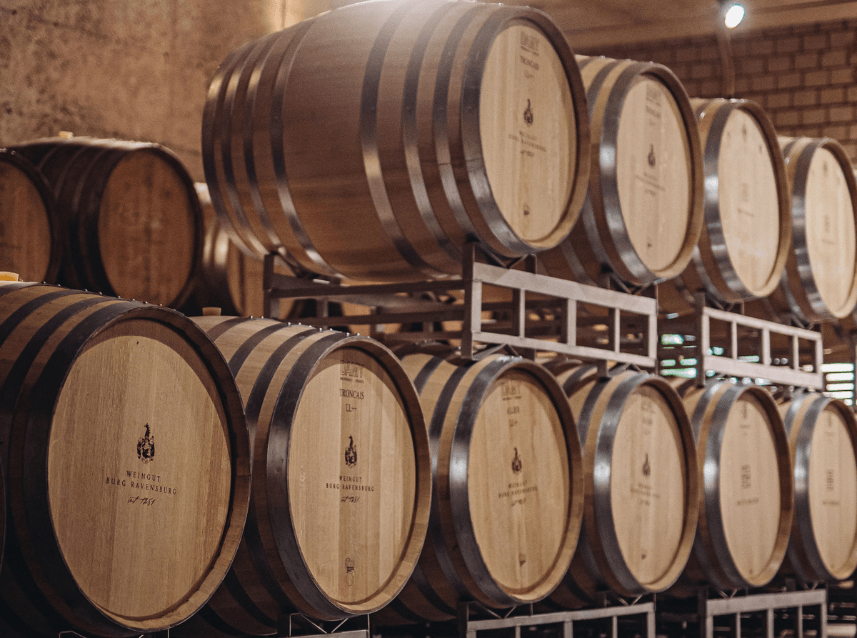
Anyone looking back over 775 years thinks in different timeframes. Healthy soil develops over many years, and a young vineyard takes decades to reach its full potential. We give it this time, just as we later do for our wines: in wooden barrels, on the lees and in the bottle. Our ‘Große Gewächse’ are not released for sale until they have been aged for at least five years, and from each vintage we set aside a portion for later.
terroir
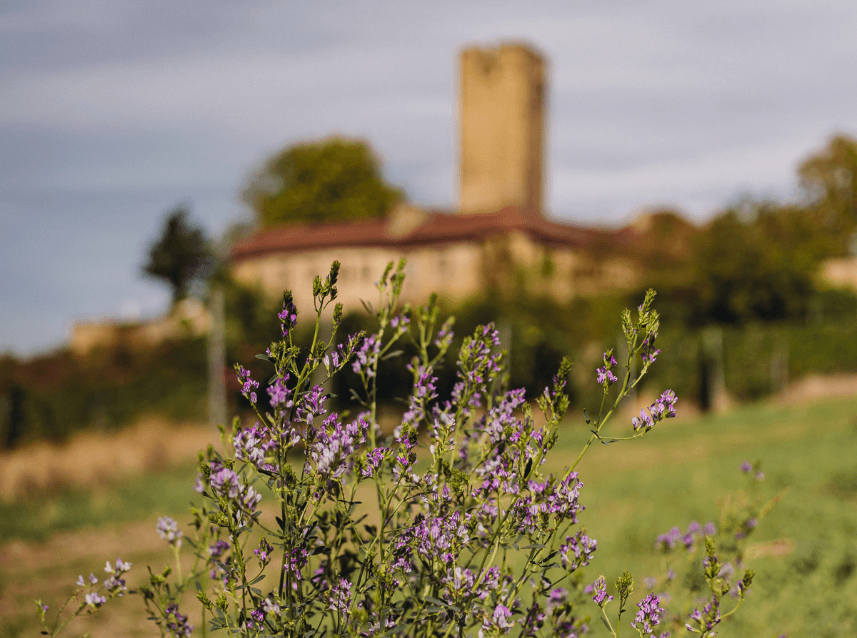
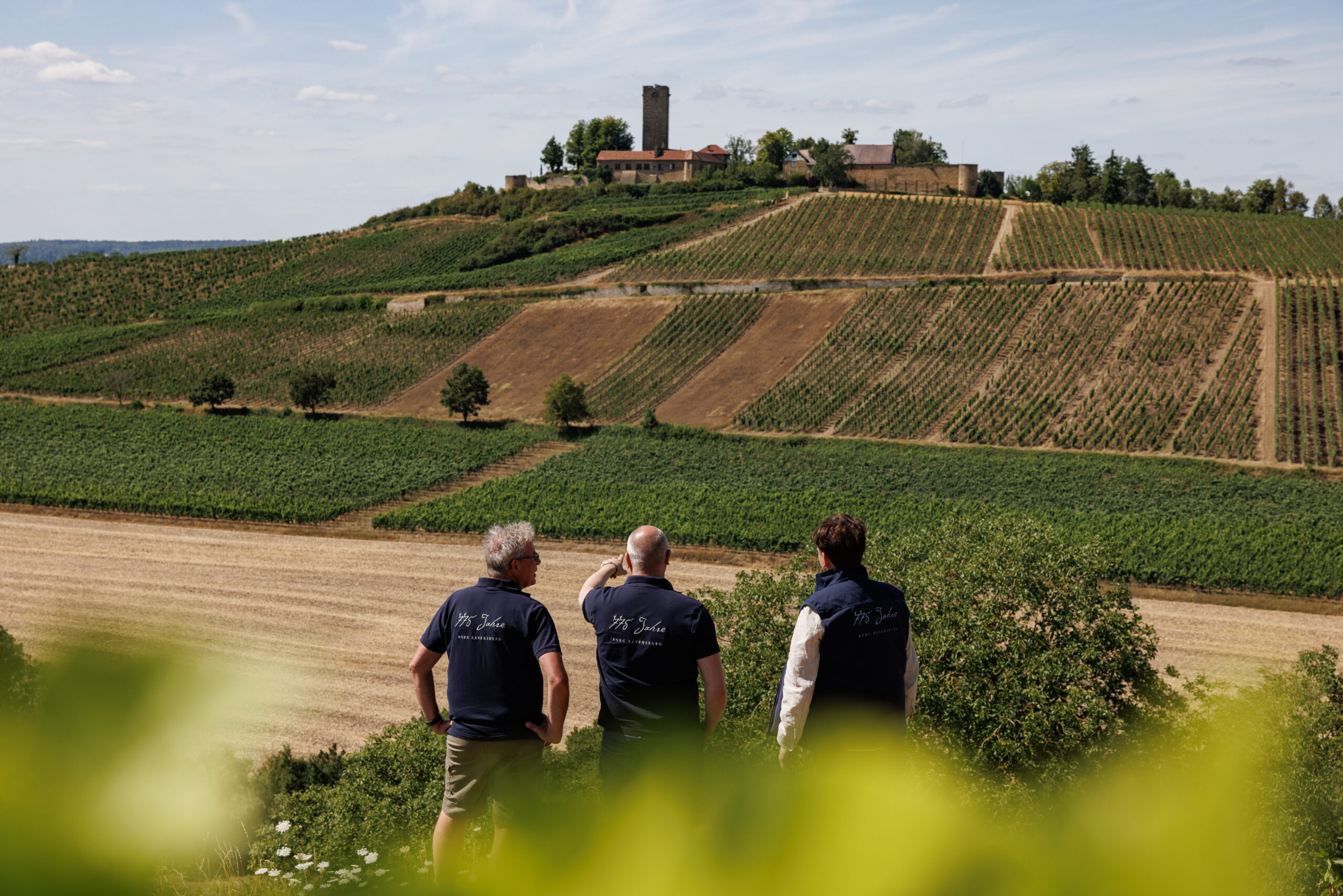
Our vineyards around Sulzfeld and Eichelberg are among the oldest in the Kraichgau. The Romans were already growing wine on the Kapellenberg; later, the Benedictines considered it the finest site in the region. Below Burg Ravensburg, the gipsum limestone, over 220 million years old, imbues our wines with structure and vibrancy. Wine should convey the magic of a place to the palate.
Sites
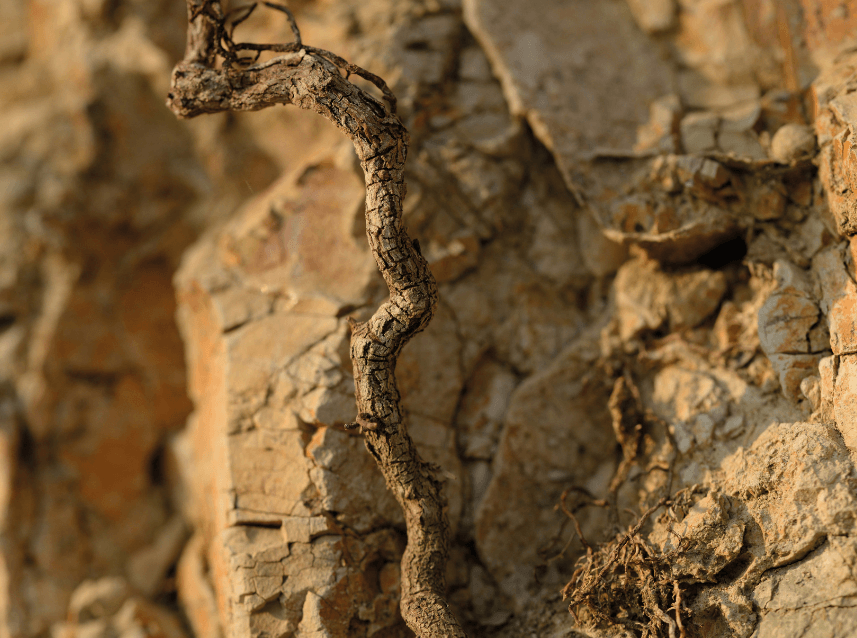
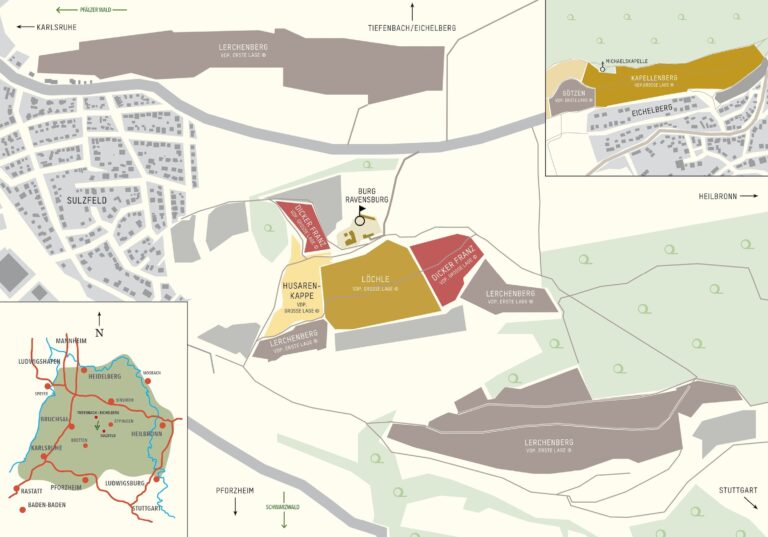
Our vineyards are situated around Sulzfeld and Eichelberg on a diverse terroir comprising gipsum limestone, calcareous marl and volcanic rock. Riesling and Blaufränkisch ripen on gipsum limestone soils in Lerchenberg, Dicker Franz and Husarenkappe, whilst calcareous Stubensandstein with volcanic inclusions lends the Riesling in Kapellenberg its mineral character. The Wigoldesberg, with its colourful calcareous marl, clay and iron, and the Löchle, with its reed sandstone, blue marl, gypsum and claystone, complete the picture – this is where our Pinot Noir is produced.


